
Vizuh Technical Notes - English
How ClickTrail keeps Contact Form 7 attribution current
Why Contact Form 7 hidden fields can be one touch behind, and how ClickTrail uses the current attribution cookie at submission.
The Funnelsheet blog
How ad clicks, CRM revenue and the joins between them actually behave — and what to do when the number the reports show is not the number the bank sees.
Vizuh Technical Notes - English
Why Contact Form 7 hidden fields can be one touch behind, and how ClickTrail uses the current attribution cookie at submission.
Vizuh Technical Notes - English
A clear breakdown of Apointoo’s 22 catalog entries: what is Production, Beta, Via API and still Planned, plus the TypeScript SDK stack.
Vizuh Technical Notes - English
Technical articles on Apointoo and ClickTrail, plus an active case study of the B-Hive Living website build.

Blog
Seeing ‘A tag read consent state before a default was set’ in GTM Preview? Learn how to tell a real Consent Mode ordering bug from a false positive.
Blog
Carry UTM parameters from a landing page into WhatsApp and a CRM using server-side tokens, a defined CRM field contract, and a repeatable test matrix.
Blog
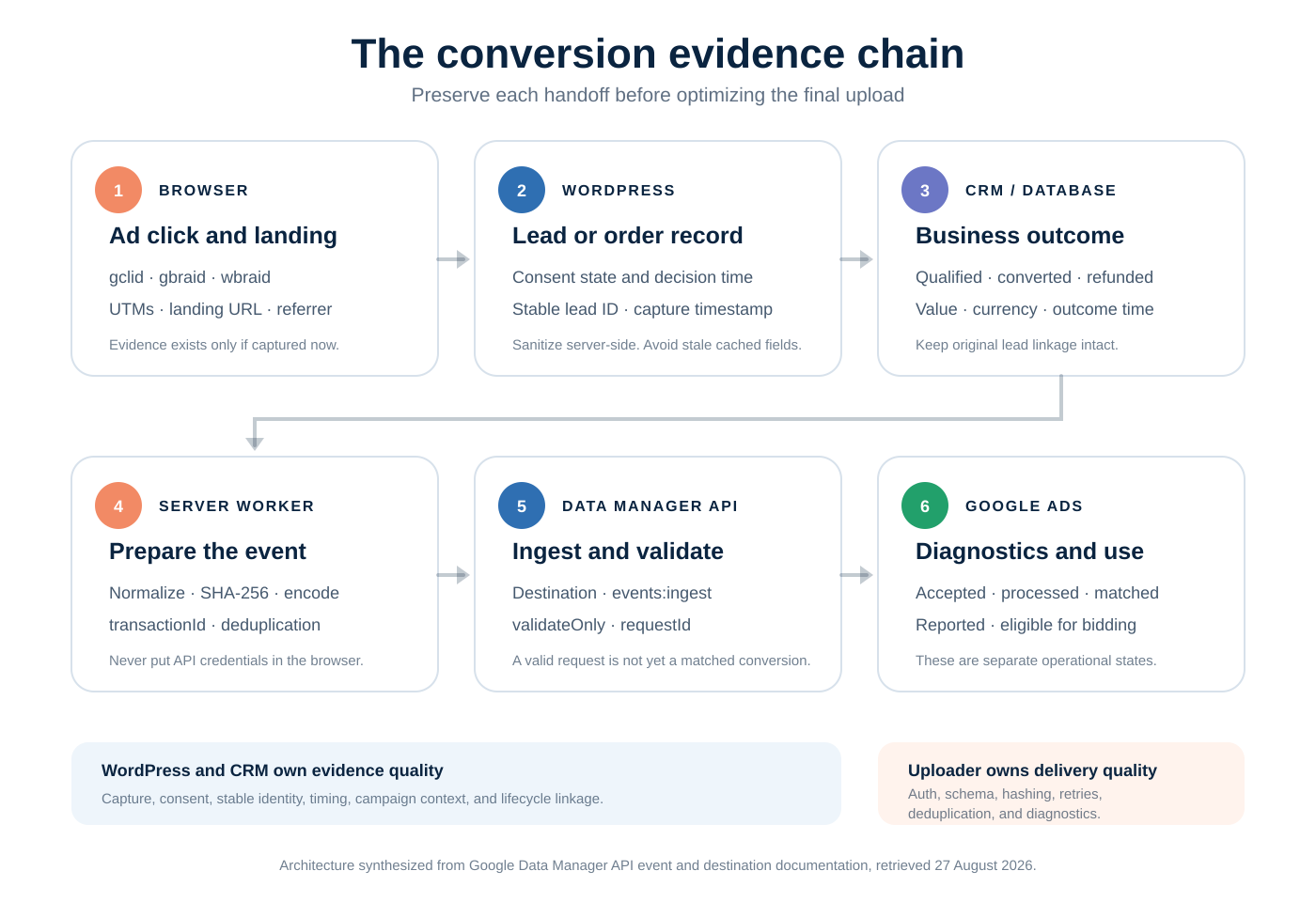
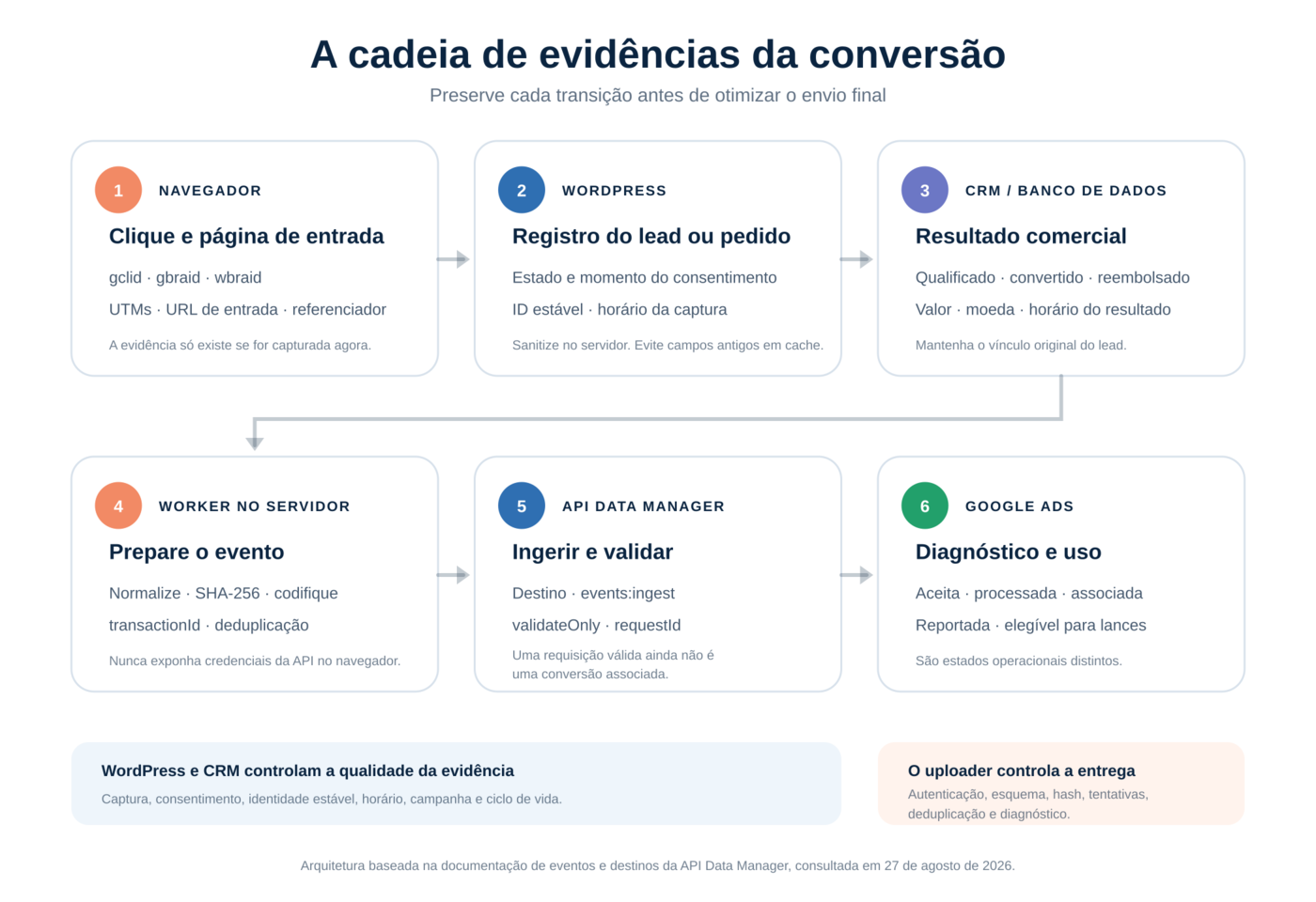
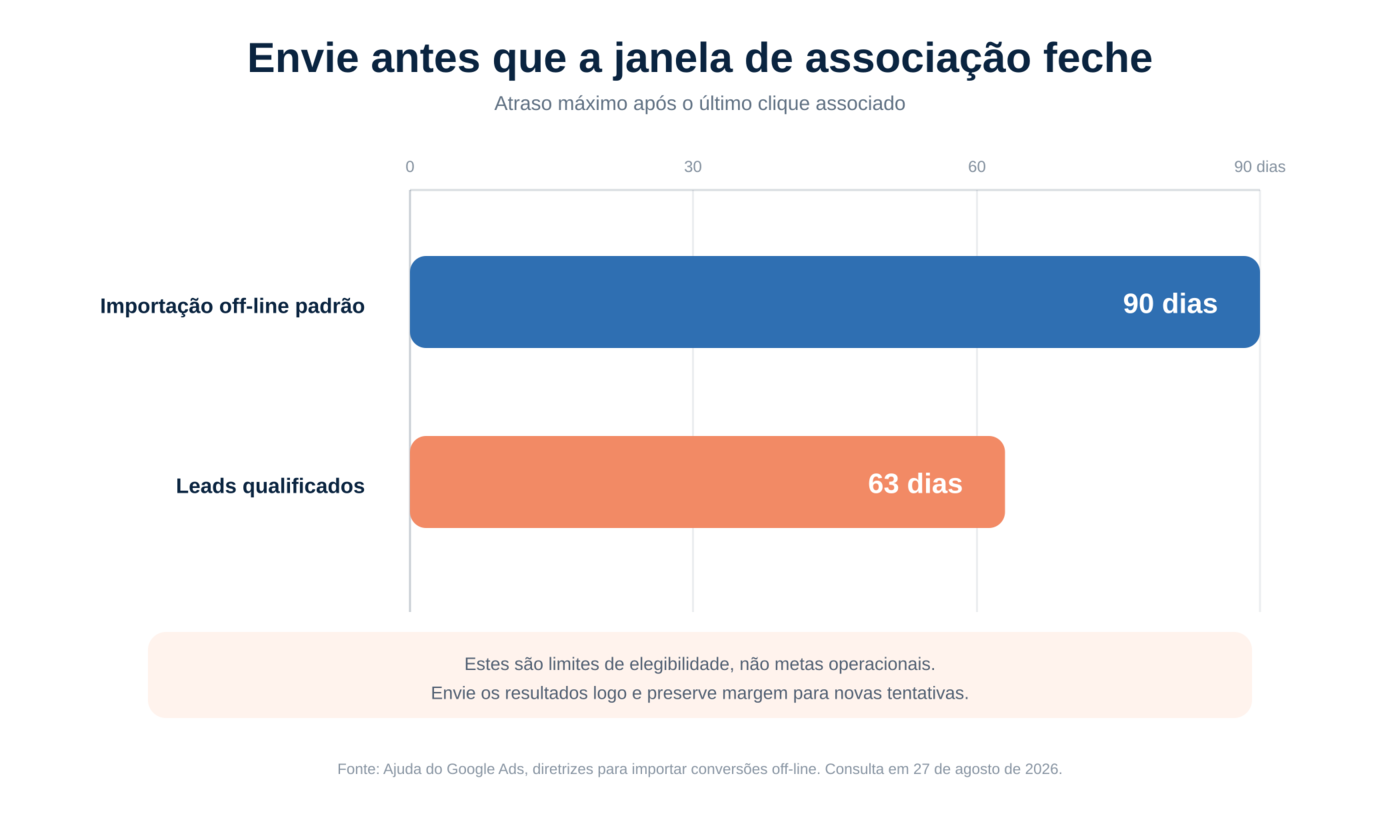
A WhatsApp lead is a real Google Ads offline conversion, but the chat carries no GCLID. Learn the two match keys, the 2026 Data Manager move, and dedup.
Blog
Meta Ads WhatsApp attribution explained: how fbclid and ctwa_clid differ, where each arrives, and how to store both in your CRM and send conversions back.
Blog
Persist a GCLID from a Google Ads click through a WhatsApp handoff, then store the raw click ID, timestamp, and full consent state on the CRM lead record.

Blog
Why WhatsApp leads arrive as Direct or unknown in your CRM, where the source is actually lost, and the handoff pattern that keeps campaign context attached to the deal.
Blog
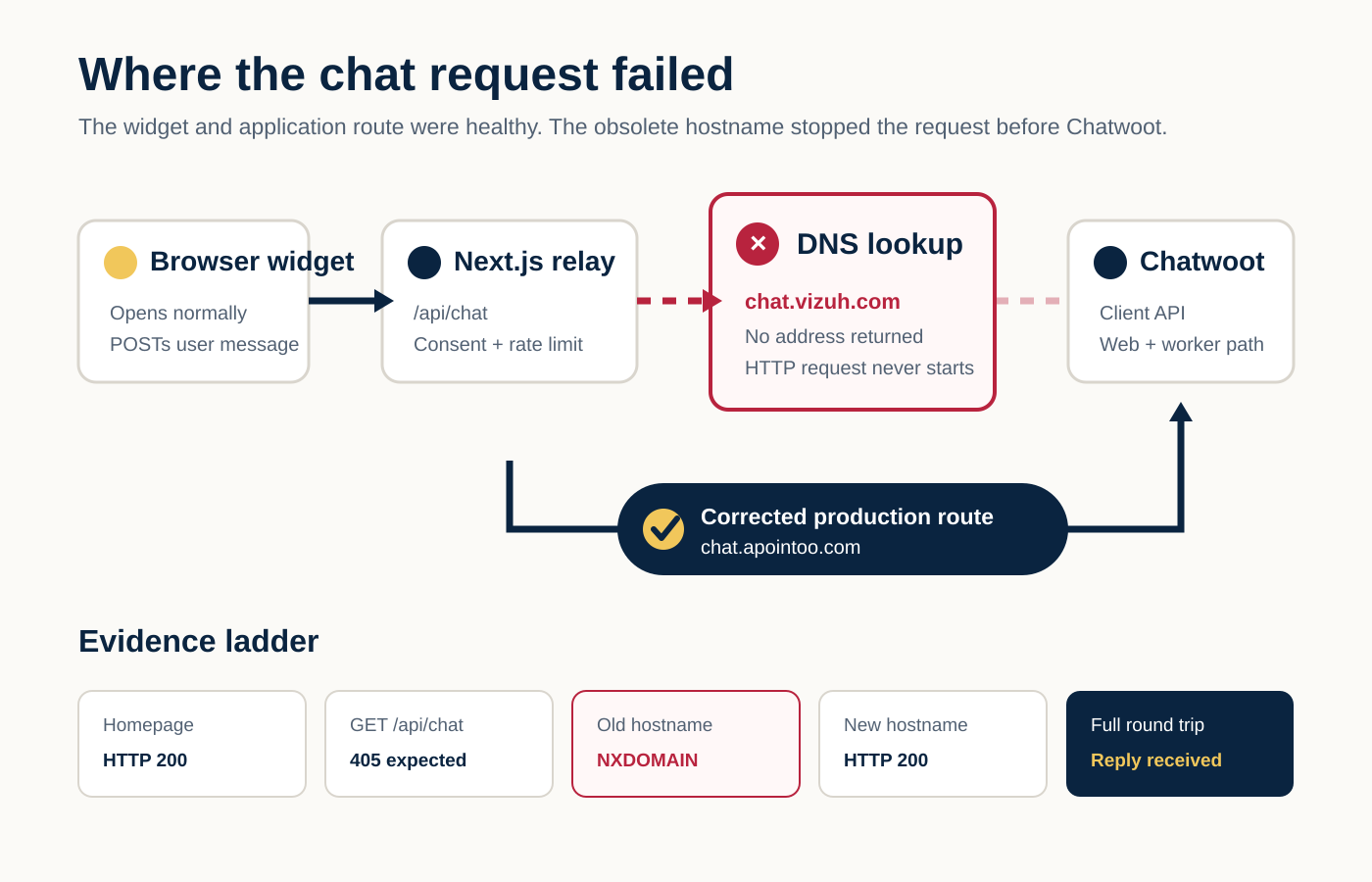
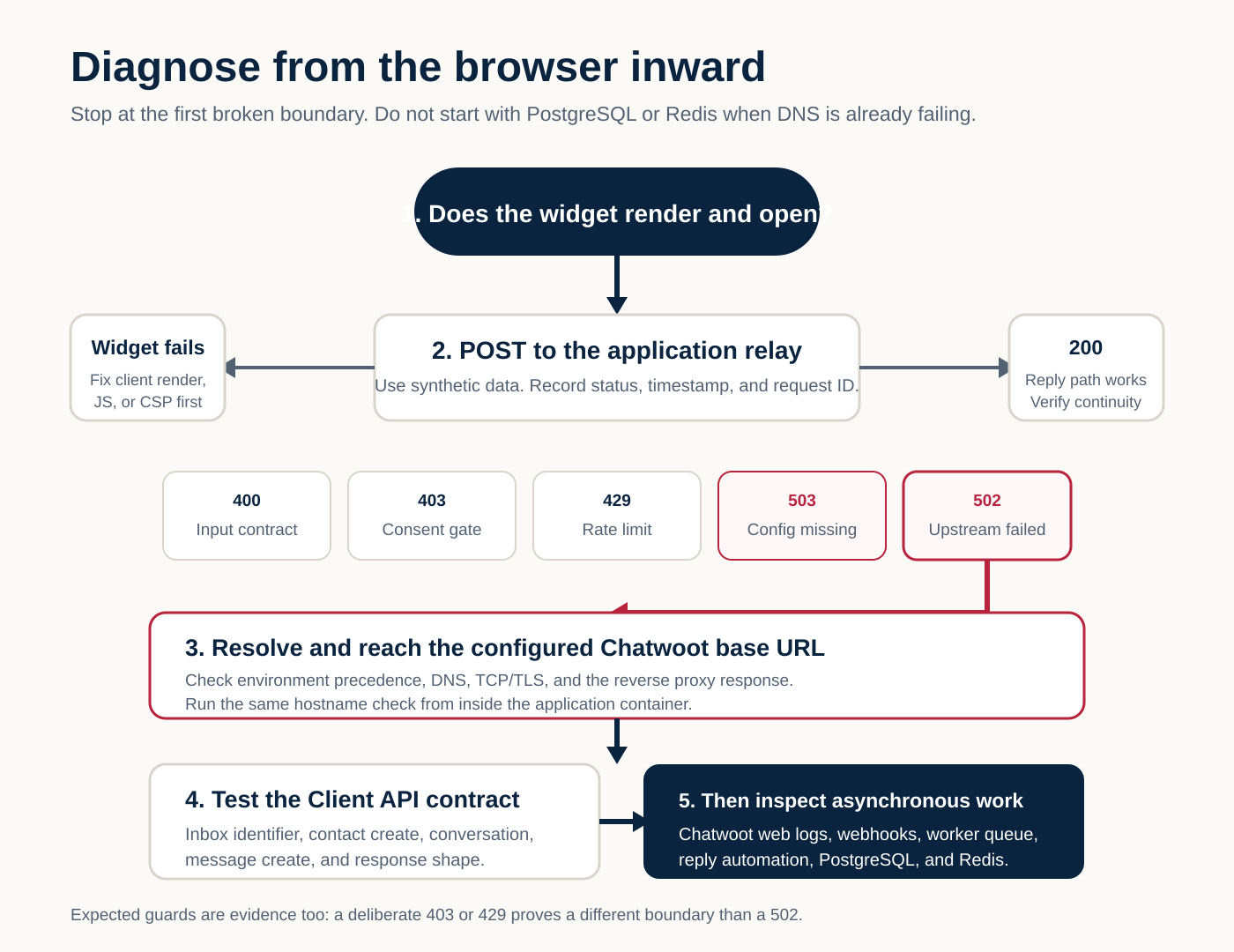
Keep Chatwoot conversation context and Twenty opportunity outcomes as distinct records linked by server-owned identity. ClickTrail provides local mapping examples for both boundaries. Those helpers do not establish a live connection between the products. A conversation with source data is not yet revenue attribution, and a won opportunity needs a verified relationship to the original lead.
Blog
Use the Shopify Meta CAPI reference fixture to inspect whether the same purchase keeps a consistent event identity across browser and server representations. The example does not send data to Meta. Local equality checks are useful preparation, but they do not prove that production pixel and webhook events were accepted or deduplicated.
Blog
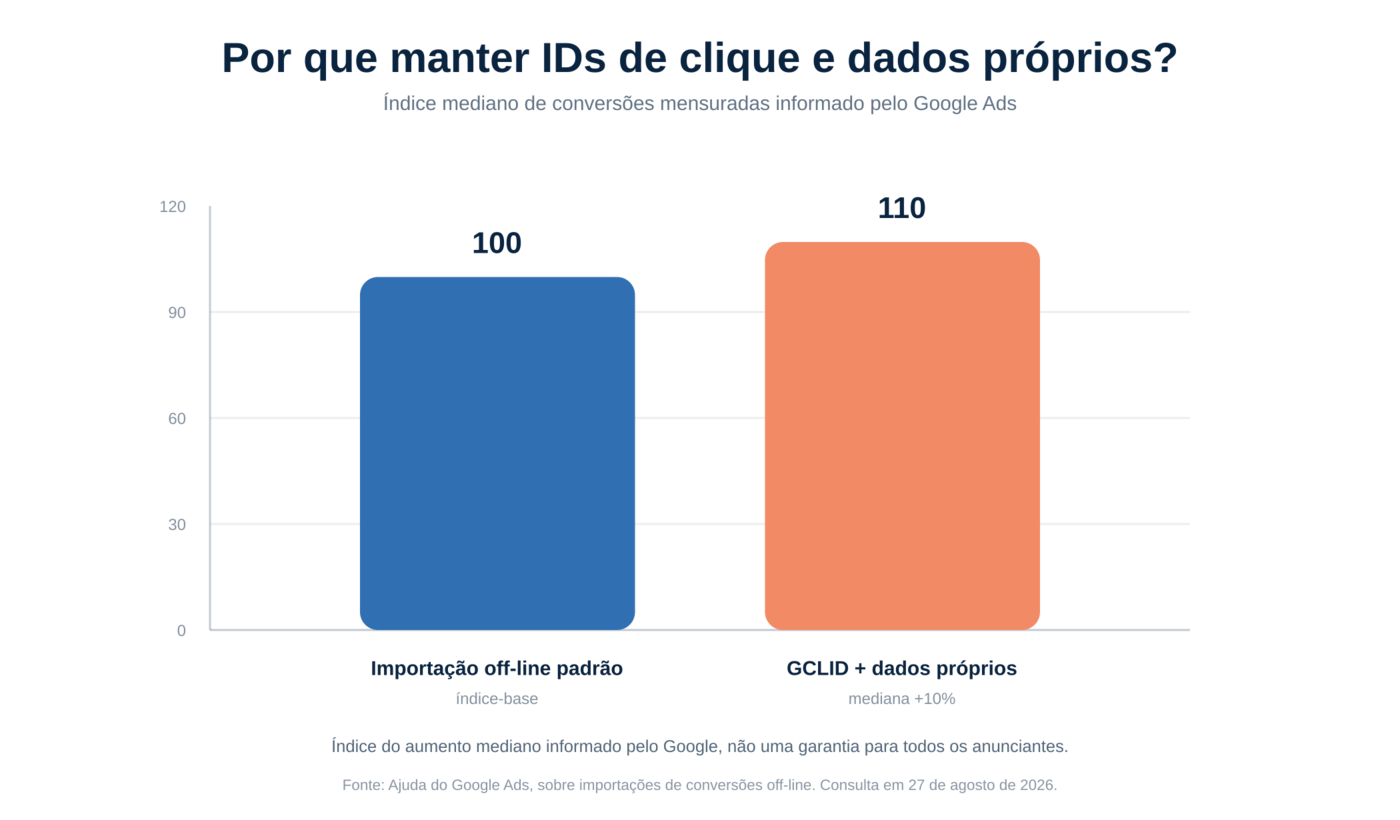
Preserve click IDs by capturing an allowed identifier, retaining it only under the applicable consent policy, and attaching it to a server-owned lead record. Then verify the CRM mapping. A parameter visible in the landing URL is only the start; it does not prove the submitted lead or its eventual sale kept that context.
Blog
Use the ClickTrail Next.js reference to inspect the path from a captured identifier to an offline-conversion payload. Verify each intermediate record before connecting a provider. The example is useful as a local fixture, but its tests do not prove current provider eligibility, consent enforcement in your application or successful production uploads.
Blog
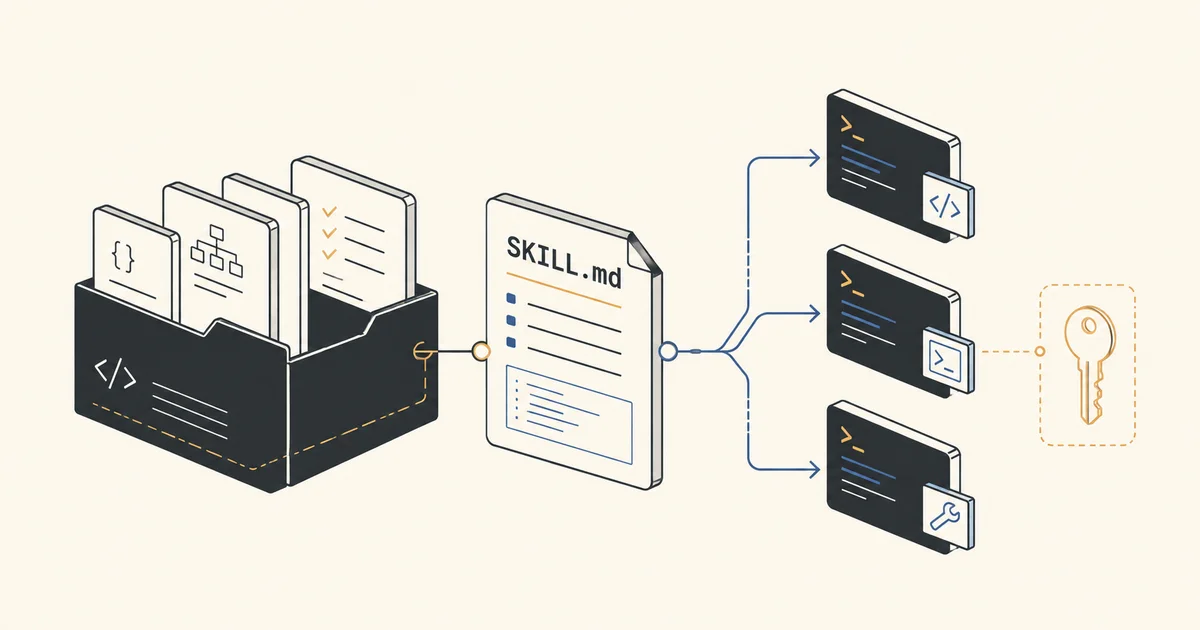
Use ClickTrail Skills to give an agent a problem-specific procedure for attribution work. Select the relevant skill, review its instructions and provide a bounded task with synthetic evidence. The repository contains eight skills; they guide implementation but do not install tracking or grant permission to send customer data to external services.
Blog
Build ClickTrail MCP from its GitHub source and connect the resulting stdio process to an MCP client. Its eleven tools inspect supplied records, generate integration sketches and construct conversion payloads. They do not contact advertising providers. Use synthetic data and distinguish declared pipeline completeness from an observed end-to-end journey.
Blog
Distinguish app acquisition from website lead tracking, assign ownership to conversion records and test web-to-app measurement without assuming identity continuity.
Blog
Understand the difference between recorded acquisition context, attribution credit and incremental impact, with a worked example and experiment-readiness checks.

Blog
Evaluate capture-focused, managed form-attribution and custom reporting approaches for WordPress leads without confusing them with a full measurement suite.
Blog
Compare ClickTrail and AppsFlyer by conversion boundary, reporting needs, implementation ownership and verification requirements.
Tracking & Attribution
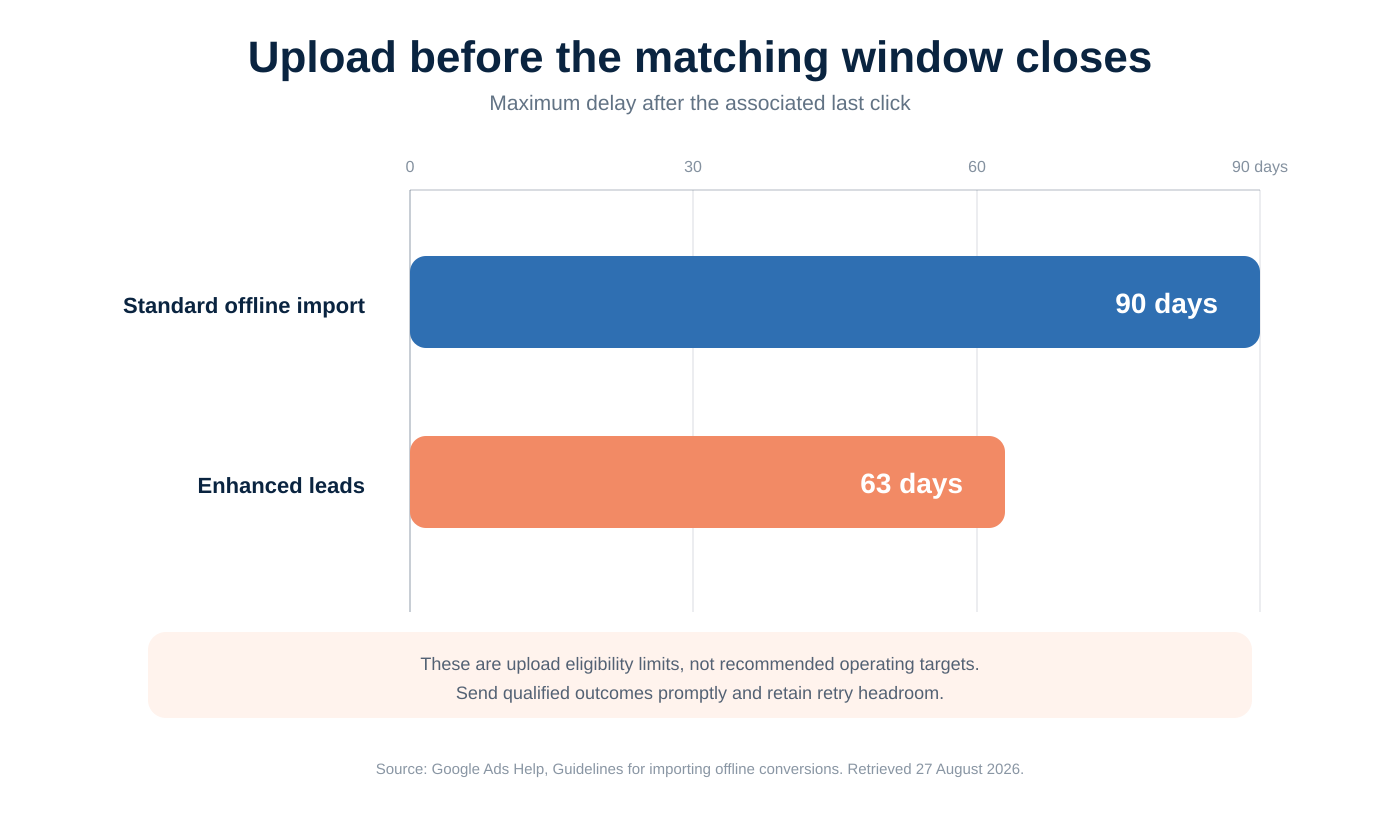
Store UTMs and GCLID with 7 CRM test cases that separate campaign context, click IDs, consent, lead identity, and offline Google Ads matching before reporting.
Offline Conversions
Compare offline attribution software with 8 checks for capture, CRM handoff, click IDs, consent, deduplication, diagnostics, and proof before rollout.
Measurement & Data Engineering
Build an attribution data model with 6 synthetic cases linking campaign IDs, leads, CRM stages, revenue, consent, and ad feedback with proof at every handoff.
Measurement & Data Engineering
Test 10 marketing data-quality checks across UTMs, click IDs, events, CRM stages, consent, and revenue before trusting attribution or scaling ad spend.
Measurement & Data Engineering
Build client marketing data systems through 5 agency phases without losing field ownership, QA, or revenue context across tracking, CRM, warehouse, and handoff.
Measurement & Data Engineering
Use this 9-gate marketing measurement readiness checklist before scaling ad spend. Test source continuity, consent, CRM outcomes, and revenue feedback.
LeadSheet
Connect ClickFunnels leads to Google Sheets and LeadConnector across 2 handoffs without losing source fields. Test duplicates, attribution, and proof.
Measurement & Data Engineering
Define ownership for UTMs, click IDs, consent, lead IDs, deal IDs, and revenue across 5 system boundaries with tests and transformations before activation.
Server-Side & Consent
Design consent-aware attribution across browser, server, GA4, CRM, and ad platforms. Test 4 states, ownership, and failure boundaries for teams before use.
Tracking & Attribution
Test UTM tracking across 4 WordPress form builders with hidden fields, AJAX checks, consent rules, and CRM proof before rollout across real submissions.
ClickTrail
Plan a safer HandL UTM Grabber migration to ClickTrail with 5 stages, field mapping, consent and cache tests, rollback criteria, and downstream proof.